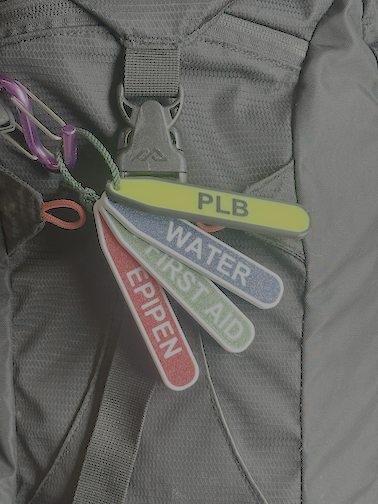

A trip intention is a document left with a responsible person that tells them where you are going, what route you are taking, when you expect to be back, and what they should do if you are not. It is the most effective safety measure available for remote outdoor activities and it costs nothing but a few minutes of preparation.
What to Include
- Your full name and any group member names
- The activity type and general location
- Specific route and planned campsites for multi-day trips
- The trailhead or launch point with GPS coordinates if possible
- Expected return date and time
- Contact details for the relevant national park or search and rescue service
- What action to take if you have not made contact by a specific time
Who It Goes To
Your trip intention should go to someone who will actually follow up. A person who lives nearby, is reliable, and knows roughly what the activity involves is more useful than someone who will forget about it. Make it explicit what you want them to do, including who to call and when. Do not make them guess.
Register With the Park
Many national parks in NSW have voluntary emergency registration systems. For remote or multi-day trips, filling in the park registration is worthwhile in addition to your personal trip intention. Search and rescue organisations use these registrations and they significantly reduce search times when something goes wrong.
Check In When You Are Back
Leaving a trip intention creates a responsibility to check in when you return. Contact the person holding your intention as soon as you are back in coverage and confirm you are safe. Failing to check in triggers their escalation process. People get called in as overdue regularly because they forgot to check in rather than because anything was actually wrong.