
The Murray River between Albury-Wodonga and Mildura is one of the genuinely great flatwater paddling routes in Australia. The river moves at a pace that covers distance without demanding high fitness. The red gum forests along the banks are unlike any other landscape in the country. Campsites on river flats and sandy beaches are plentiful. And apart from the weekend day-trippers near towns, you will have the river largely to yourself for long stretches. A week on the Murray is accessible to competent recreational paddlers and is one of the best extended outdoor experiences in NSW and Victoria.
Choosing Your Section
The Murray is long and different sections have different characters. The upper river between Albury and Corowa is shallower, faster, and has more snags. The middle sections between Corowa and Echuca are the most popular for week-long trips, with good flow, beautiful red gum camps, and enough small towns along the way to resupply if needed. The lower river toward Mildura becomes wider, slower, and more remote. Choose based on your group's paddling experience, time available, and appetite for remoteness.
River Conditions and Flow
The Murray is a regulated river. Flow rates are managed by the Murray-Darling Basin Authority and can change significantly based on irrigation releases and environmental water allocations. Low flow in summer can mean shallow water, more snags exposed, and slower progress than expected. High flow after winter rains or snowmelt can make the river faster but also more complex near snags and fallen timber. Check the current flow rate before your trip using the WaterNSW or Victoria Water Measurement Information System gauge data. The Albury gauge and the Tocumwal gauge give you a good picture of what is moving through your planned section.
Gear for a River Canoe Trip
- Open canoes are the classic Murray vessel and carry camping gear for a week without being overloaded. Sit-on-top kayaks work but have less gear capacity. Packrafts are suitable but slow on a long river.
- Dry bags for all gear. The Murray is not a whitewater river but gear still gets wet from rain and spray. Everything important goes in a dry bag.
- A long tow rope and throw bag. Snags are the main hazard on the Murray. A paddle float and self-rescue practice before the trip are appropriate for a week-long journey.
- Camping gear: lightweight tent, sleeping bag rated for the season, sleeping mat. River camps can be cold at night even in summer on the upper river.
- Insect repellent and a midge net. The Murray at dusk in summer has mosquitoes. This is not negotiable.
- Water filter or purification. The Murray is not clean drinking water without treatment.
- Sufficient food for the planned days plus one extra day. Town resupply is possible but do not rely on it as a primary plan.
Camping on the Murray
Much of the Murray frontage is public land where camping is permitted. Crown land along the Murray is generally open for camping. National park sections require permits. The simplest approach is to camp on sandy river beaches and gravel bars, which are common and usually well above flood level even in moderate flows. Red gum flats set back from the water are also popular. Do not camp directly on the bank where flash flooding from upstream releases is possible. Check current conditions before you leave and monitor the sky and water level during the trip.
Snag Hazards
Fallen red gum trees in and along the Murray are the primary navigation and safety hazard. A large snag in a river bend with current pushing onto it can capsize a loaded canoe quickly. Approach all snags from upstream with time to assess and plan your line. In high-flow conditions, the hazard from snags increases significantly. Always scout from the bank if you are not certain of the line through a significant snag field. A capsized loaded canoe in cold water with no clear bank access is a serious incident.
Permits and Access
No permit is required to paddle the Murray itself. Launch and take-out points are available at most towns along the river and at various public reserve accesses. Camping in national park sections (Barmah National Park, Murray Valley National Park) requires a permit through the relevant Victorian or NSW parks authority. The NSW-Victoria border runs along the south bank, so you are often in Victoria even when looking at the NSW side. Check jurisdiction before assuming which permits apply.
Emergency Considerations
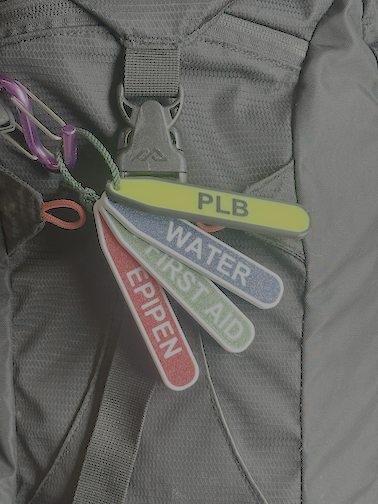
Phone coverage on the Murray is patchy between towns. For a week-long trip, a PLB or satellite communicator is a reasonable safety measure. File a trip plan with someone who knows when to call for help. Identify the access points along your route where a vehicle could reach you in an emergency. On the Murray, a sick or injured paddler can usually be evacuated to a road within a few hours of paddling to the nearest road crossing, which is reassuring compared to the evacuation complexity of remote bush.