
First aid in a remote outdoor setting has a different character to urban first aid. The time to definitive medical care is measured in hours rather than minutes. The equipment you have is what is in your pack. The decisions about whether and how to evacuate are genuinely complex. The skills and knowledge that matter most in the bush are not always the ones that get the most focus in a standard first aid course.
The Most Common Incidents
Blisters, muscle strains, minor cuts and abrasions, and dehydration account for the large majority of bush first aid incidents. These are all manageable with a basic kit and some preparation. Serious incidents, fractures, head injuries, cardiac events, envenomation, are much rarer but are the ones that require clear thinking under pressure and usually a decision about evacuation.
Carrying a Useful Kit
- Blister treatment including moleskin and a lancet
- Bandages, gauze, and wound closure strips
- Antiseptic wipes and cream
- Triangular bandage and SAM splint for limb injuries
- Space blanket
- Pain relief and antihistamine
- Personal medications for participants
- Gloves and a face shield for CPR
- A written list of participant medical conditions and emergency contacts
Evacuation Decisions
The hardest decision in remote first aid is often whether to evacuate, and if so, how and how urgently. An injury that looks serious may be manageable with rest and monitoring. An injury that looks minor may indicate something more significant underneath. When in doubt, err toward getting the person out and assessed by medical professionals. The walk can be done another day.
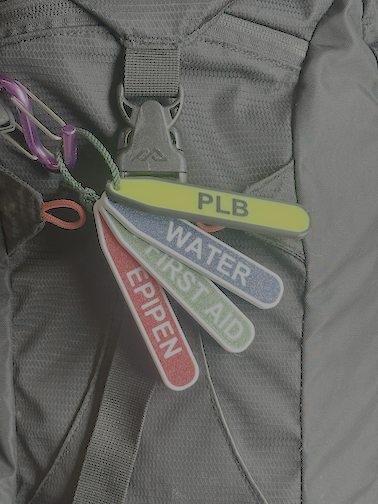
Carrying a PLB
A Personal Locator Beacon is the most effective tool for calling for help in a remote situation where normal communication is unavailable. Australian PLBs are registered to the owner and when activated they transmit your GPS position to emergency services via satellite. They are not a substitute for good planning and preparation, but they are a serious last resort option that has saved lives in the Australian bush.