
Mobile phone coverage in Australia is extensive in populated areas and essentially absent in most remote outdoor destinations. For any activity in terrain without reliable coverage, a communication plan needs to address what you do when the phone does not work, not just what app you will use to send updates.
Understand Your Coverage
Before going remote, check coverage maps for the specific area. Telstra provides the most comprehensive rural coverage in Australia. Coverage maps are approximate and terrain significantly affects actual signal. A forecast of limited coverage in a valley means no coverage, not some coverage. Plan for no mobile signal and treat any signal you get as a bonus.
PLB: The Non-Negotiable for Remote Work
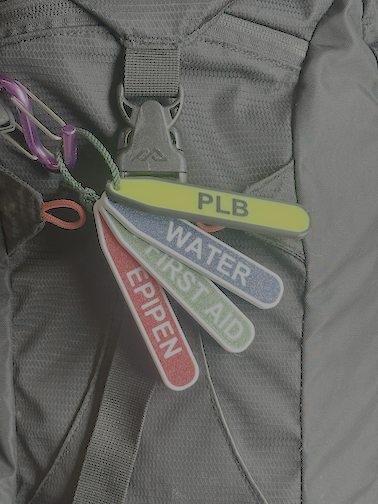
A registered Personal Locator Beacon should accompany any group going into remote terrain. It requires no subscription, works globally via satellite, and transmits your GPS position to emergency services on activation. PLBs are available for hire from many outdoor shops and organisations. Registration is free through the Australian Beacon Registration Database. Testing the beacon before you go confirms it is functional.
Satellite Communicators
Devices like Garmin inReach allow two-way satellite messaging and tracking, which provides ongoing communication capability rather than just an emergency beacon. They require a subscription but offer significantly more capability than a PLB for regular remote work. For leaders running regular programs in remote terrain, a satellite communicator is a worthwhile investment.
The Communication Schedule
Establish a scheduled check-in with your trip contact before you leave. The schedule should specify the time, the method, and what happens if contact is not made at the scheduled time. A check-in schedule only works if someone is reliably monitoring it. Make sure the person holding your trip intention understands their responsibilities and has clear instructions for what to do when contact is missed.