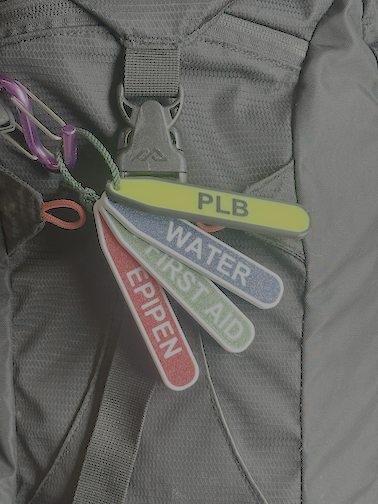

Most outdoor organisations have some form of activity recording. Very few have a system that is actually useful for the purposes good records serve. The difference between a record system that works and one that does not comes down to whether the records are accessible when needed, whether they capture information that is actually used, and whether the system is simple enough that leaders fill it in properly rather than filling it in minimally to satisfy a compliance requirement.
What Records Are For
Good activity records serve several distinct purposes. They provide evidence of due diligence for the organisation and leaders in the event of an incident or complaint. They provide a continuous improvement resource that allows programs to learn from experience over time. They provide a planning resource that makes future activity planning more accurate and less dependent on individual memory. They provide a participant record that tracks what activities each person has done, which is useful for assessing progression and suitability for more advanced activities. A record system designed for only one of these purposes tends to do the others poorly.
Minimum Required Information
Every activity record should capture: the date, the activity type and location, the leader name and relevant qualifications, the participant list, the weather conditions on the day, any incidents or near misses, and the outcome of the activity. This is the minimum. It takes five minutes to complete for a standard activity. The problem with minimum-only records is that they do not capture the information that makes them useful for planning and continuous improvement. They are compliance documents, not program management tools.
What Good Records Add
Beyond the minimum, useful activity records capture: GPS track data (distance, elevation, time on track), specific conditions that affected the activity (water levels, track conditions, weather changes during the activity), participant condition and performance (who struggled and where, any first aid provided), decisions made during the activity and the reasoning (route changes, turnaround decisions, supervision adjustments), and specific notes for future planning (water source reliability, parking availability, specific navigation challenges). This level of detail is what makes records genuinely useful rather than merely defensible.
Digital vs Paper
Paper-based record systems have the advantage of reliability in the field and no technology dependency. They have the disadvantage of being difficult to search, easy to lose, and impossible to aggregate across activities for trend analysis. Digital systems stored on a reliable platform (like LogsKeptSimple) allow search by date, location, activity type, participant, and leader, provide a centralised record accessible to the organisation, and make it possible to look at patterns across activities over time. The right system is the one that leaders actually use. A sophisticated system that leaders find burdensome generates poor records. A simple system that leaders complete properly generates good ones.
Linking Records to Plans and Risk Assessments
The most useful record systems link activity logs to activity plans and risk assessments so that each activity has a connected set of documents: the plan that was made before it, the risk assessment that governed it, and the log of what actually happened. LogsKeptSimple is designed around this linked approach. When you review an activity a year later, the linked documents give you the full picture: what was planned, what risks were identified, and what actually occurred. That is significantly more useful than a standalone log entry with no context.
Making Records Part of the Program Culture
The biggest challenge in building a record system is cultural, not technical. Leaders who see record-keeping as an administrative burden will do it minimally and reluctantly. Leaders who understand why records matter will do it properly. The way to shift the culture is to use the records. Pull up the record from last year when planning a similar activity and talk through what it showed. Review near-miss records in leader meetings and discuss what they indicate about program design. When records are visibly used for program improvement, leaders see the point of them and fill them in properly.